Text
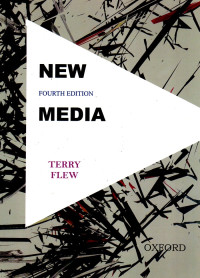
New Media
Buku ini merupakan panduan komprehensif bagi mahasiswa dan profesional PR untuk memahami sejarah, teori, dan praktik media sosial. Luttrell menyajikan kerangka kerja untuk membangun keterlibatan audiens, manajemen krisis di era digital, etika media sosial, serta cara mengukur dampak kampanye strategis melalui data dan analisis.
At the same time, the subsequent developments of politics in these and other cases has drawn attention to the limitations of thinking about the politics or the public sphere in technologically determinist ways. When the first edition of New Media was published in 2002, the concept of new media was seen as being largely about the internet as it was accessed from personal computers. The subsequent decade has seen a proliferation of platforms and devices: we now access media in all forms from our phones and other mobile platforms, therefore we seen television and the internet increasingly converging, and we see a growing uncoupling of digital media content and delivery platforms. While this has a range of implications for media law and policy, from convergent media policy to copyright reform, governments and policy-makers are struggling to adapt to such seismic shifts from mass communications media to convergent social media. The internet is no longer primarily a Western-based medium. Two-thirds of the world’s internet users are now outside of Europe and North America; three-quarters of internet users use languages other than English; and three-quarters of the world’s mobile cellular phone subscriptions are in developing nations. It is also apparent that conducting discussions about how to develop new media technologies and discussions about their cultural and creative content can no longer be separated. Discussions of broadband strategies and the knowledge economy need to be increasingly joined with those concerning the creative industries and the creative economy.
Ketersediaan
Informasi Detail
- Judul Seri
-
-
- No. Panggil
-
302.23 FLE n
- Penerbit
- Australia : Oxford University Press., 2014
- Deskripsi Fisik
-
xv + 270 hlm,; 25 cm
- Bahasa
-
English
- ISBN/ISSN
-
9780195577853
- Klasifikasi
-
302.23
- Tipe Isi
-
-
- Tipe Media
-
-
- Tipe Pembawa
-
-
- Edisi
-
Ed. 4 2014
- Subjek
- Info Detail Spesifik
-
-
- Pernyataan Tanggungjawab
-
-
Versi lain/terkait
Tidak tersedia versi lain
Lampiran Berkas
Komentar
Anda harus masuk sebelum memberikan komentar
 Karya Umum
  Filsafat
  Agama
Agama  Ilmu-ilmu Sosial
  Bahasa
  Ilmu-ilmu Murni
  Ilmu-ilmu Terapan
  Kesenian, Hiburan, dan Olahraga
  Kesusastraan
  Geografi dan Sejarah